

Specialty
Trauma Therapy
Who can benefit from trauma therapy?
Trauma can continue to affect how you think, feel, relate to others, and experience the world long after a difficult event has passed. You may find yourself feeling constantly on edge, disconnected from others, overwhelmed by anxiety, avoiding reminders of the past, or reliving painful memories. Whatever your experiences, healing is possible, and you don't have to navigate it alone.
At Havencrest Wellness & Counseling, we provide compassionate, evidence-based trauma therapy for adults, teens, and young adults throughout Washington. Our licensed therapists work collaboratively with you to understand your experiences, develop practical coping strategies, and support your healing at a pace that feels safe and right for you.
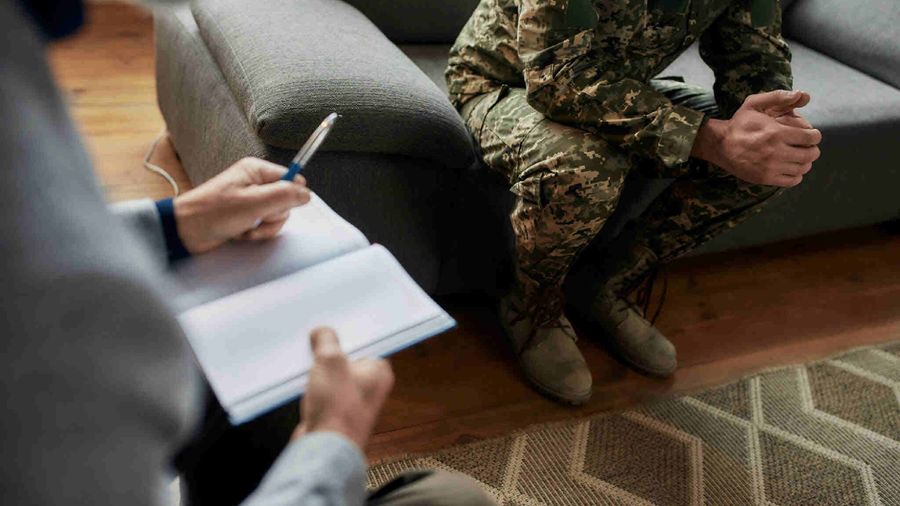
Whether your trauma stems from childhood experiences, abuse, accidents, military service, grief, or another distressing event, we're here to support you every step of the way.
Take the first step today by scheduling an appointment with one of our therapists.
Trauma affects everyone differently. If you're experiencing any of the following challenges and they're continuing to affect your wellbeing or daily life, trauma therapy may help:
- Childhood trauma or neglect
- — When difficult childhood experiences continue to affect your relationships, emotions, sense of self, or ability to trust others.
- Physical, emotional, or sexual abuse
- — Healing from experiences that continue to cause emotional distress, shame, fear, guilt, or difficulty feeling safe.
- Domestic violence
- — Recovering from abusive or controlling relationships and rebuilding your sense of safety, confidence, and emotional wellbeing.
- Military service or combat-related trauma
- — Processing experiences related to military service that continue to leave you feeling constantly on edge, hypervigilant, or emotionally overwhelmed.
- Medical trauma or serious illness
- — Working through distress related to illness, medical procedures, or healthcare experiences that continue to affect your emotional or physical wellbeing.
- Accidents or traumatic events
- — Recovering from car accidents, workplace incidents, natural disasters, or other overwhelming experiences that may leave you with intrusive memories, nightmares, panic attacks, or strong emotional reactions.
- Grief and traumatic loss
- — Processing the loss of a loved one or another significant event that feels difficult to move forward from.
- Community or interpersonal violence
- — Healing after experiencing or witnessing violence that continues to affect your sense of safety, relationships, or ability to relax.
- Complex or repeated trauma
- — Addressing the impact of ongoing or repeated traumatic experiences that may leave you feeling emotionally numb, hypervigilant, or stuck.
- Trauma and PTSD
- — When past experiences continue to affect your emotions, relationships, sense of safety, or daily life through intrusive memories, nightmares, avoidance, difficulty concentrating, difficulty sleeping, muscle tension, headaches, being easily startled, or feeling constantly on edge.
Depending on your unique needs and goals, you may also find support through our individual therapy, anxiety, depression, and EMDR services.
Understanding trauma
Trauma is not defined only by what happened; it is also shaped by how your mind and body respond to overwhelming or distressing experiences.
Trauma can result from many different experiences, including childhood adversity, abuse, violence, accidents, military service, medical procedures, grief, or ongoing stress. Every person's experience is unique, and there is no right or wrong way to respond to trauma.
Understanding how trauma has affected you allows us to develop a personalized approach that reflects your experiences, strengths, and goals.
How we support trauma
Our goal is to help you safely process difficult experiences, reduce the impact trauma continues to have on your daily life, and build the confidence, resilience, and emotional wellbeing to move forward.
Healing looks different for everyone, which is why therapy is tailored to your unique experiences, strengths, and goals. Depending on your needs, therapy may include:
Building safety and trust
Trauma-informed therapy provides a safe, supportive environment that prioritizes emotional safety, trust, collaboration, and healing while respecting your pace throughout therapy.
Processing traumatic memories (EMDR)
Eye Movement Desensitization and Reprocessing (EMDR) Therapy helps your brain safely process distressing memories, reducing their emotional intensity and supporting long-term healing.
Learn more about EMDR Therapy →Understanding trauma-related thought patterns (CBT)
Cognitive Behavioral Therapy (CBT) helps you recognize thought patterns that developed following trauma while building healthier perspectives and practical coping strategies.
Learn more about Cognitive Behavioral Therapy (CBT) →Developing present-moment awareness
Mindfulness-based approaches help you become more aware of your thoughts, emotions, and physical sensations, reducing distress and strengthening emotional regulation.
Building psychological flexibility (ACT)
Acceptance and Commitment Therapy (ACT) helps you develop a different relationship with painful thoughts and emotions, supporting you to move forward in ways that reflect your values.
Medication support, when appropriate
For some individuals, therapy provides the support they need to manage trauma-related symptoms. For others, additional support may be beneficial. When appropriate, we can discuss medication support and referrals, and help coordinate your care with a trusted psychiatric provider.
Learn more about Medication Management Support & Referrals →What to expect during trauma therapy
Your first session is focused on understanding your experiences, current challenges, strengths, and goals.
Together, you and your therapist will:
- Take time to understand your experiences, current challenges, strengths, and goals.
- Begin building a trusting therapeutic relationship, creating a safe and supportive space where you feel heard, respected, and understood.
- Explore how your experiences continue to affect your daily life and wellbeing.
- Work collaboratively with you to develop personalized therapy goals.
- Introduce grounding techniques and practical coping strategies that help you feel safe and supported.
- Regularly review your progress together, adapting your approach as your needs and goals evolve.
As therapy progresses, you'll continue developing practical coping strategies, strengthening resilience, and processing difficult experiences at a pace that feels right for you.
If meeting in person isn't convenient, we also offer secure telehealth appointments throughout Washington.
Insurance
Insurance coverage for trauma therapy varies by provider and plan. Our team is happy to help you understand your benefits, verify your coverage, and discuss your options before your first appointment.
Frequently asked questions
What's the difference between trauma and PTSD?
Trauma refers to the emotional, psychological, or physical impact of distressing experiences. Post-Traumatic Stress Disorder (PTSD) is a specific mental health condition that some people develop following a traumatic event. Symptoms may include flashbacks, nightmares, avoidance, and heightened anxiety. Not everyone who experiences trauma develops PTSD, but therapy can help address both trauma-related symptoms and PTSD.
Is EMDR effective for trauma?
Yes. Eye Movement Desensitization and Reprocessing (EMDR) is an evidence-based therapy that helps the brain safely process distressing memories, reducing their emotional impact and supporting long-term healing.
Can trauma therapy be done online?
Yes. Many people successfully participate in trauma therapy through secure telehealth sessions. Your therapist will work collaboratively with you to determine whether telehealth or in-person therapy is the best fit based on your needs, goals, and comfort level.
Have a question that isn't answered here? Contact us, or read our full FAQs.

Schedule your first appointment today.
Healing is possible, and you don't have to navigate it alone. We'll go at a pace that feels safe for you, and help you find the therapist who's right for you.